
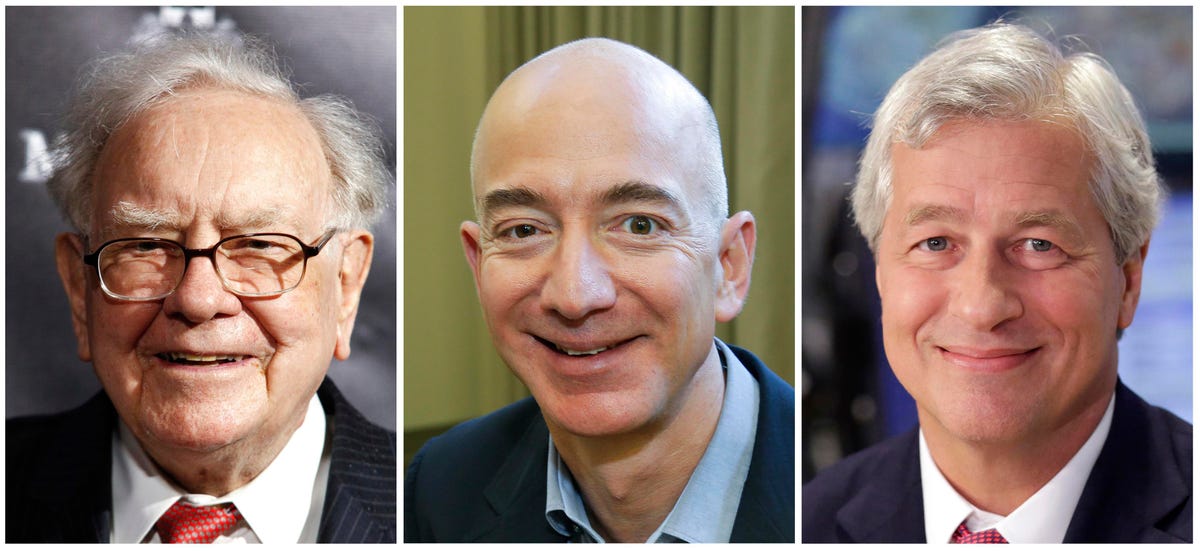
What is the key to success. (AP Photos, File)
Why does one succeed and the other fail?
An interesting question in all areas of life, including entrepreneurship and business. Here are perspectives of two successful people in business.
Mark Cuban: “Luck is a big part of everyone’s success. Shaq used to give me a hard time: “Oh. You were lucky.’ And I’m like, ‘you planned to be six foot six and athletic, right?”
Some believe they are “self-made” and succeeded (as beautifully sung by Frank and Elvis) because “they did it their waywhich minimizes the impact of where they were born, the talent they were born with, the skills they learned, their racial and socioeconomic conditions, their family and caregivers, educational institutions, available opportunities, open doors and societal structure.
And then there is the middle ground, ie a combination of talent, skill, discipline, effort and luck. This means doing the best you can with the talent you have, the skills you can develop and the open opportunities (and open some of them on your own initiative), never give up and luck may strike.
Why is this important? People like Mark Cuban, Shaquille O’Neal, Warren Buffett and others did not rest on their talent and gifts. They worked to acquire and use skills. But they also received the training and opportunities to succeed in their chosen field. Doors opened to them, while those same doors may be closed to many. And they stood out from those who tried – and from the masses who don’t get a chance to try it out.
Here’s the thing: no one could have predicted their brilliance and achievements before they proved it. They were not picked for their greatness based on a three-sentence pitch. They selected themselves for greatness based on their talent, skills, achievements and character as they seized the opportunity and proved their potential.
This includes 94% of billion dollar entrepreneurs, who were neither waiting for someone to anoint them winners and pour VC on them, nor willing to accept the assumption that they needed VC to win. They controlled their destiny and did not lose their chance by handing over control to VCs who rarely succeed. While the world is mesmerized by VC, and the corporate press can’t stop gushing about VC unicorns that often end up as mirages (WeWork, Theranos, FTX), these entrepreneurs proved their true unicorns where it counted – on the ground.
These high achievers proved their potential because they got to prove it. Will society do better if everyone is trained to offer their full gifts to society instead of rationing skills and educational opportunities to a few? Should business schools focus on the VC model that helps about 20/100,000 companies, or should they focus on skills that help everyone?
MY TAKE: Entrepreneurial education ecosystems that are skills-based can do much more than top-down VC-based ecosystems. When do business school deans ask the right question: skills contest or pitch contest?

Janice has been with businesskinda for 5 years, writing copy for client websites, blog posts, EDMs and other mediums to engage readers and encourage action. By collaborating with clients, our SEO manager and the wider businesskinda team, Janice seeks to understand an audience before creating memorable, persuasive copy.


